Loni Anderson Net Worth 2026: Truth Behind $12M Legacy
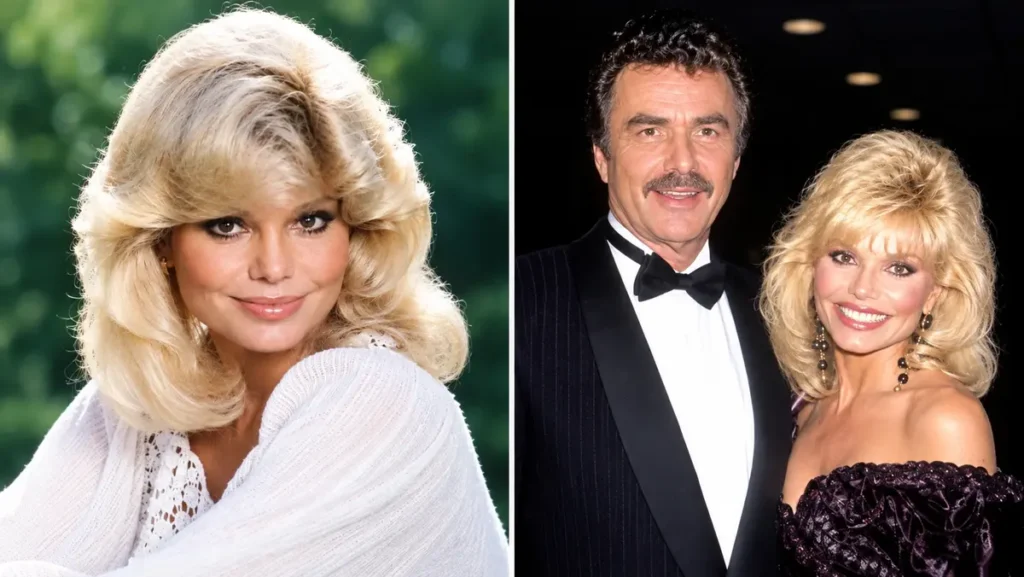
Fans have long wondered just how much wealth Loni Anderson built over her five-decade career. Behind the glamour of WKRP in Cincinnati and her headline-making marriage to Burt Reynolds lies a financial story packed with IRS battles, contentious divorce settlements, and surprising comebacks. This comprehensive breakdown reveals the real numbers behind her estimated $12 million estate.
Quick Answer: Loni Anderson Net Worth Overview
Loni Anderson’s net worth stood at an estimated $12 million at the time of her passing in August 2025, according to Celebrity Net Worth and corroborated by estate filings reported in industry publications. Her fortune came primarily from television salaries, TV movie contracts, a bestselling memoir, and strategic real estate holdings.
That figure tells only part of the story. Anderson navigated a $700,000 IRS tax lien, a divorce from one of Hollywood’s highest-paid actors that yielded a surprisingly modest settlement, and multiple career reinventions that kept her income flowing well into her seventies. Her financial journey reflects both the enormous earning potential of 1980s television stardom and the very real pitfalls that can erode celebrity wealth.
Loni Anderson Profile Table
| Detail | Information |
|---|---|
| Full Name | Loni Kaye Anderson |
| Birth Date | August 5, 1945 |
| Date of Passing | August 3, 2025 (age 79) |
| Birthplace | Saint Paul, Minnesota |
| Occupation(s) | Actress, Author, Producer |
| Years Active | 1966–2021 |
| Net Worth (Estate) | ~$12 Million |
| Spouses | Bruce Hasselberg (1964–1966), Ross Bickell (1974–1981), Burt Reynolds (1988–1993), Bob Flick (1998–2025) |
| Children | Deidra Anderson, Quinton Anderson Reynolds |
| Height | 5 ft 7 in (170 cm) |
| Notable Works | WKRP in Cincinnati, My Life in High Heels, Nurses |
Early Life and Background
Loni Kaye Anderson was born on August 5, 1945, in Saint Paul, Minnesota. Her father, Max Anderson, worked as an environmental chemist, and her mother, Maxine, was a model and actress. That early exposure to performance shaped Loni’s ambitions from a young age.
She attended the University of Minnesota, where she studied drama and began appearing in local theater productions. Her striking looks and natural comedic timing set her apart from her peers almost immediately.
Anderson moved to Los Angeles in the late 1960s to pursue acting full-time. Her early years in Hollywood were lean. She took small roles in television commercials and minor guest spots on network shows while building her résumé and her industry connections.
Career Beginnings and Breakthrough
Anderson’s first credited television appearance came in 1966 on the soap opera Another World. Throughout the 1970s, she landed guest roles on popular series including S.W.A.T., The Bob Newhart Show, and Three’s Company. These parts paid modestly but kept her visible to casting directors.
Her breakthrough arrived in 1978 when she was cast as Jennifer Marlowe on the CBS sitcom WKRP in Cincinnati. The role of the impossibly glamorous receptionist turned Anderson into an overnight sensation. The show ran for four seasons and 90 episodes, earning critical praise and a devoted fanbase that persists to this day.
WKRP transformed Anderson from a working actress into a household name. Her salary climbed dramatically during the show’s run, and she became one of the most recognizable faces on American television by the early 1980s.
Major Career Achievements
Anderson earned three Golden Globe nominations and two Emmy nominations for her portrayal of Jennifer Marlowe. Those accolades cemented her status as one of the most talented comedic actresses of her generation.
After WKRP, she starred in a string of successful television movies throughout the 1980s and 1990s. Titles like A Letter to Three Wives (1985), My Man Adam (1985), and The Stiller and Meara Show (1986) kept her in steady demand. She later joined the cast of the NBC sitcom Nurses (1993–1994), which expanded her audience to a new generation of viewers.
In 1995, Anderson published her memoir My Life in High Heels. The book became a New York Times bestseller and generated significant income through advances, royalties, and a wave of promotional appearances on major talk shows. The memoir also reinforced her brand as a candid, resilient public figure.
Primary Income Sources
Anderson’s Loni Anderson salary peaked during the WKRP in Cincinnati years. At the height of the show’s popularity, she reportedly earned between $25,000 and $35,000 per episode. Adjusted for inflation, that translates to roughly $100,000 to $140,000 per episode in today’s dollars. Over 90 episodes, her WKRP earnings alone likely exceeded $2.5 million.
Her Loni Anderson earnings from television movies during the 1980s and 1990s were equally substantial. Lead roles in made-for-TV films typically paid between $100,000 and $250,000 per project during that era. Anderson completed more than 20 such projects over two decades, adding millions to her total Loni Anderson income sources.
Her Loni Anderson income sources also included:
- Syndication residuals from WKRP in Cincinnati, which continued generating passive income for decades
- Book royalties from My Life in High Heels, which sold hundreds of thousands of copies
- Convention and appearance fees, which reportedly ranged from $10,000 to $25,000 per event in her later career
- Guest star roles on series like Melrose Place, The Mullets, and Love Bites
How much is Loni Anderson worth when you factor in all these streams? The cumulative total across five decades of consistent work explains how she built and maintained her $12 million fortune despite significant financial setbacks along the way.
Business Ventures and Investments
Anderson’s Loni Anderson wealth extended well beyond acting paychecks. She made several savvy moves that diversified her Loni Anderson financial status over the years.
Her memoir My Life in High Heels was more than a vanity project. The book deal reportedly included a six-figure advance and favorable royalty terms. The success of the book opened doors to speaking engagements and media consulting opportunities that generated additional revenue.
Anderson also invested in entertainment production. She served as a producer on several of her television movie projects, which gave her a share of backend profits rather than just a flat acting fee. This producer credit strategy significantly boosted her Loni Anderson earnings on projects where she had both creative and financial stakes.
While she never launched a major consumer brand, Anderson did capitalize on her public image through selective endorsement deals and licensing agreements during the peak of her fame in the early 1980s. These partnerships, though less publicized than those of her contemporaries, contributed meaningfully to her overall Loni Anderson money portfolio.
Real Estate Portfolio
Real estate played a central role in Anderson’s Loni Anderson financial status. Her property transactions over the decades reveal a pattern of strategic buying and selling that preserved and grew her net worth.
During her marriage to Burt Reynolds, the couple lived on a sprawling 153-acre ranch in Jupiter Farms, Florida. The property, valued at several million dollars, became a focal point of their contentious 1993 divorce. Anderson ultimately received the Florida home as part of the settlement, though the property required significant upkeep costs.
She also owned a Hollywood Hills residence during the height of her career in the 1980s. The home was purchased during a period of peak earning power and appreciated significantly in value over the following decades.
In her later years, Anderson maintained a primary residence in the Nashville, Tennessee area, where she lived with her fourth husband, Bob Flick. The Tennessee property offered a lower cost of living compared to Los Angeles, which helped her preserve her Loni Anderson wealth during retirement.
Financial Challenges and Setbacks
Anderson’s financial journey was far from smooth. Her Loni Anderson financial status took several major hits that threatened to derail her fortune entirely.
The most publicized setback came in 2002, when the IRS filed a federal tax lien against Anderson for approximately $700,000 in unpaid taxes. The lien was a matter of public record and drew significant media attention. Anderson later resolved the debt through a payment arrangement, but the episode highlighted the cash flow challenges that can plague even high-earning entertainers.
Her divorce from Burt Reynolds in 1993 was another financial blow. Despite Reynolds’ enormous wealth — his net worth was estimated at over $60 million at the time — Anderson reportedly received a settlement of roughly $200,000 in cash plus the Florida ranch property. She had initially sought a much larger share, citing her contributions to the couple’s lifestyle and career. The modest cash settlement surprised many industry observers and underscored the importance of prenuptial agreements in high-profile marriages.
Anderson also faced the broader challenge of career transition as she aged. Like many actresses of her generation, she found leading roles harder to secure after her forties. The resulting income dip required careful financial management to maintain her lifestyle and meet her ongoing obligations.
Personal Life and Its Financial Impact
Anderson’s personal life had a direct and dramatic impact on her Loni Anderson money situation across multiple decades.
Her marriage to Burt Reynolds (1988–1993) was the most financially consequential relationship of her life. The couple’s combined star power made them one of Hollywood’s most bankable duos, and their joint appearances commanded premium fees. However, the divorce that followed created lasting financial complications, including legal fees that reportedly exceeded $500,000.
Her fourth marriage to musician Bob Flick in 1998 brought greater stability to both her personal and financial life. The couple maintained a relatively modest lifestyle compared to Anderson’s earlier years, which helped preserve her estate for her children and heirs.
Anderson’s role as a mother also influenced her financial decisions. She prioritized funding her children’s education and maintaining family properties, choices that sometimes came at the expense of more aggressive investment strategies.
Philanthropy and Giving
Anderson dedicated significant time and resources to charitable causes throughout her life. Her philanthropic work reflected her personal values and her own health experiences.
She was a vocal advocate for breast cancer awareness and research, a cause she championed after her mother’s battle with the disease. Anderson participated in numerous fundraising galas and public service campaigns, often donating her appearance fees to cancer research organizations.
She also supported animal welfare organizations, consistent with her well-known love of animals and her life on the Florida ranch with Reynolds. Her charitable contributions, while not as publicized as those of some contemporaries, represented a meaningful outflow from her Loni Anderson wealth over several decades.
Net Worth Comparison
How does Loni Anderson’s net worth compare to her peers? The following table provides context:
| Celebrity | Net Worth (Est.) | Primary Source |
|---|---|---|
| Loni Anderson | $12 Million | TV, Film, Book |
| Howard Hesseman (WKRP) | $5 Million | TV, Film |
| Richard Sanders (WKRP) | $3 Million | TV, Theater |
| Loni Anderson | $12 Million | — |
| Suzanne Somers | $100 Million | TV, Health Brand |
| Farrah Fawcett | $20 Million | TV, Film, Art |
| Jaclyn Smith | $150 Million | TV, Fashion Brand |
Anderson’s $12 million estate places her solidly among successful television actresses of her era, though below contemporaries who built major business empires outside of entertainment. Her Loni Anderson earnings were substantial but concentrated in acting rather than diversified entrepreneurship, which explains the gap between her fortune and those of peers like Suzanne Somers or Jaclyn Smith.
Her Loni Anderson financial status also reflects the reality that television stars of the 1970s and 1980s earned far less per episode than their modern counterparts. A top sitcom star today can earn $1 million or more per episode, a figure that dwarfs Anderson’s peak WKRP salary of $35,000.
Loni Anderson’s Lasting Financial Legacy
Loni Anderson’s Loni Anderson net worth of $12 million represents a remarkable achievement given the obstacles she faced. She built her fortune during an era when women in television were paid significantly less than their male co-stars. She weathered a devastating IRS lien, a high-profile divorce that yielded a fraction of what many expected, and the natural career slowdown that affects nearly every actor over time.
Her story offers a clear lesson in financial resilience. Anderson never declared bankruptcy. She resolved her tax debts. She continued working well into her seventies, generating income through appearances, residuals, and royalties. Her Loni Anderson money management, while imperfect, ultimately preserved a substantial estate for her family.
The Loni Anderson wealth she leaves behind is a testament to five decades of consistent work, smart real estate decisions, and the enduring value of a truly iconic television role. WKRP in Cincinnati continues to air in syndication, which means Anderson’s estate may continue to earn residual income for years to come.