
How to Find the Best King Kong Dulce Near Me (And Why It’s Worth the Hunt)
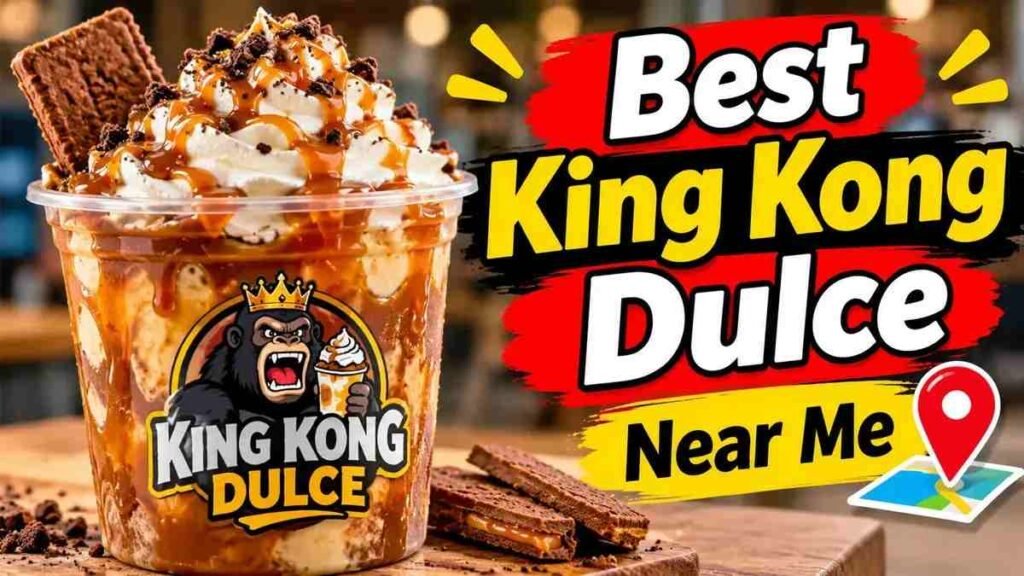
TL;DR: King Kong dulce is a layered Peruvian pastry filled with dulce de leche. To find the best one near you, check local Latin American bakeries, Peruvian restaurants, and specialty online shops. Quality comes down to fresh layers, real manjar blanco, and a satisfying crunch.
You’ve probably scrolled past it on a bakery menu or heard a friend rave about it after a trip to Peru. Now you’re typing “best king kong dulce near me” into your phone, hoping someone within driving distance makes the real deal. Good news: this iconic Peruvian treat is showing up in more cities than you’d think.
In this guide, you’ll learn what makes a King Kong pastry genuinely worth your money, where to track one down locally, and how to spot the difference between an authentic version and a shortcut imitation. Whether you’re a first-timer or a longtime fan, you’ll walk away knowing exactly what to look for.
Quick Overview
- King Kong dulce is a traditional dessert from the Lambayeque region of northern Peru
- It features stacked cookie layers filled with dulce de leche (manjar blanco)
- Some versions include peanut, pineapple, or coconut fillings
- The best versions use hand-made cookies and slow-cooked caramel
- You can find it at Peruvian bakeries, Latin markets, and online specialty shops
- A single large King Kong can weigh over a pound and serve 4–6 people
What Exactly Is King Kong Dulce?
Let’s start with the basics, because the name alone raises eyebrows. No, it has nothing to do with the giant ape. The story goes that when this towering, multi-layered pastry was first created in the early 1900s in Lambayeque, Peru, someone looked at its massive size and joked that only King Kong could finish it. The name stuck.
At its core, King Kong dulce is a stack of thin, round, buttery cookies — sometimes called galletas — glued together with generous layers of manjar blanco, the Peruvian version of dulce de leche. The result is a dense, sweet, slightly crumbly tower that you slice into wedges like a cake.
Some bakers add extra fillings between certain layers: ground peanuts, pineapple preserves, or even coconut. The classic version from Lambayeque sticks to manjar blanco alone, but regional variations have become popular across Peru and in Latin American communities abroad.
The dessert is so culturally significant that it’s considered a point of regional pride. As Smithsonian Magazine has documented in its coverage of Peru’s culinary heritage, the country’s food traditions run deep and vary dramatically from coast to highlands to jungle — and King Kong dulce is one of the coastal north’s most beloved contributions.
What Makes a Great King Kong Pastry?
Not every version you stumble across will be worth the calories. Here’s what separates a memorable King Kong from a forgettable one.
The cookies should snap. The galleta layers need to be thin and crisp, not soft or soggy. If the cookie bends instead of breaking, it’s likely stale or made with too much moisture. A fresh King Kong has a satisfying crunch that contrasts with the creamy filling.
The manjar blanco should taste caramelized, not just sweet. Real manjar blanco is made by slowly cooking sweetened milk for hours until it thickens and deepens in color. It should have a toffee-like complexity, not the one-note sugar rush of a commercial caramel sauce. If the filling tastes like it came straight from a can, that’s a red flag.
The layers should be even and generous. You want a roughly equal ratio of cookie to filling in every bite. Some cheaper versions skimp on the manjar blanco and load up on cookie, which makes the whole thing dry and disappointing.
Freshness matters enormously. Because the cookies are thin and the filling is moist, a King Kong pastry has a relatively short shelf life. The best ones are made within a day or two of purchase. If it’s sitting in a plastic wrapper on a dusty shelf, keep walking.
Where to Look for King Kong Dulce in Your Area
So you’re ready to find the best king kong dulce near me — sorry, near you. Here’s a practical game plan.
Start with Peruvian restaurants and bakeries. If your city has a Peruvian community, there’s a good chance someone is making King Kong dulce in-house. Check neighborhoods with Latin American populations and look for restaurants that advertise postres peruanos on their menu. Call ahead and ask — many places make it on specific days of the week.
Check Latin American grocery stores. Larger Latino supermarkets sometimes carry pre-packaged King Kong dulce in the bakery or imported goods section. Brands like Don King Kong or Lambayeque ship from Peru and are widely available in cities with significant Latin populations. The packaged versions won’t match a fresh bakery version, but they’re a solid introduction if you’ve never tried one.
Ask at Mexican and Central American bakeries. While King Kong is distinctly Peruvian, many Latin bakeries carry a range of dulce de leche pastries and may either stock it or be able to point you to someone who does. Don’t be shy about asking — bakery owners love talking about desserts.
Search social media. Instagram and TikTok are surprisingly powerful tools for finding niche desserts. Try searching “King Kong dulce” plus your city name. Small home bakers and pop-up vendors often post their creations there before they ever show up on Google Maps.
King Kong Dulce vs. Other Dulce de Leche Desserts
If you’re familiar with dulce de leche treats from other Latin American countries, you might be wondering how King Kong stacks up. Here’s a quick comparison:
| Feature | King Kong Dulce (Peru) | Alfajores (Argentina) | Obleas (Mexico) | Tres Leches Cake |
|---|---|---|---|---|
| Structure | Multi-layered tower | Sandwich cookie | Thin wafer stack | Soaked sponge cake |
| Primary filling | Manjar blanco | Dulce de leche | Cajeta (goat milk caramel) | Tres leches mixture |
| Texture | Crunchy + creamy | Soft + crumbly | Light + crispy | Wet + fluffy |
| Serving size | Large (sliced) | Individual | Individual | Sliced |
| Origin | Lambayeque, Peru | Córdoba, Argentina | Central Mexico | Latin America broadly |
The biggest difference is scale. An alfajor is a two-bite snack. A King Kong is a commitment. It’s the kind of dessert you bring to a family gathering, not something you eat alone in your car (though no judgment if you do).
The manjar blanco in a King Kong also tends to be thicker and less runny than the dulce de leche in an Argentine alfajor. It has to be, because it’s holding up multiple cookie layers. This gives it a richer, more concentrated caramel flavor.
How to Order King Kong Dulce Online
If there’s no Peruvian bakery within a reasonable drive, the internet has you covered — with a few caveats.
Several specialty food websites and Latin American import shops ship King Kong dulce nationwide. Look for sellers that explicitly state the product ships from Peru or is made fresh in a local kitchen. Avoid listings with vague descriptions or no photos of the actual product.
When ordering, pay attention to shipping times and packaging. A King Kong pastry is fragile. Those thin cookie layers crack easily, and heat can cause the manjar blanco to soften and leak. The best shippers use insulated packaging and expedited delivery, especially in summer.
It’s also worth reviewing the FDA’s guidelines on safely ordering food by mail before purchasing perishable items online. The agency recommends verifying that the seller uses proper cold-chain shipping for dairy-based products and that the package arrives within the expected timeframe. A quick check can save you from a melted, disappointing delivery.
Expect to pay between $15 and $35 for a full-size King Kong, depending on the brand and shipping distance. That might sound steep for a cookie, but remember: these things are heavy, dense, and meant to be shared.
Can You Make King Kong Dulce at Home?
Absolutely — and it’s more straightforward than the towering result suggests. You don’t need professional baking skills, just patience.
Here’s a simplified breakdown of the process:
- Make the cookie dough. Combine flour, butter, sugar, egg yolks, and a pinch of salt into a smooth dough. Roll it out thin and cut into large circles (about 8–10 inches in diameter).
- Bake the galletas. Bake at a moderate temperature (around 350°F) until the cookies are golden and crisp. They should snap cleanly when cooled. You’ll need at least 4–6 layers.
- Prepare or source the manjar blanco. You can make it from scratch by simmering a can of sweetened condensed milk in a water bath for 3–4 hours, or buy a high-quality Peruvian manjar blanco from a Latin grocery store.
- Assemble the tower. Spread a thick, even layer of manjar blanco on top of each cookie, stacking them carefully. Press down gently to bond the layers.
- Optional fillings. If you want the multi-flavor version, alternate manjar blanco with peanut butter or pineapple preserves between certain layers.
- Chill and slice. Refrigerate the assembled King Kong for at least 2 hours to let the filling firm up. Then slice into wedges and serve.
The hardest part is resisting the urge to eat the manjar blanco with a spoon before it ever touches a cookie. Trust me, I’ve been there.
Key Takeaways
- King Kong dulce is a layered Peruvian cookie-and-caramel dessert from the Lambayeque region
- The best versions feature crisp, thin cookies and slow-cooked manjar blanco
- Check Peruvian restaurants, Latin bakeries, and social media to find one locally
- Online ordering works, but verify shipping methods for this fragile, dairy-based treat
- Homemade is totally doable with a few basic ingredients and some patience
Frequently Asked Questions
What is king kong dulce made of?
King Kong dulce is made of thin, round butter cookies stacked with layers of manjar blanco (Peruvian dulce de leche). Some versions also include peanut, pineapple, or coconut fillings between the cookie layers. It originated in Lambayeque, Peru.
Where can I buy king kong dulce near me?
Your best bet is a local Peruvian bakery or Latin American grocery store. Search social media for home bakers in your area, or check the dessert menu at nearby Peruvian restaurants. Many cities with Latin populations have at least one source.
How long does king kong dulce last?
A fresh King Kong pastry stays good for about 3–5 days at room temperature in an airtight container. Refrigeration can extend that to about a week, though the cookies may soften slightly over time.
Is king kong dulce the same as alfajores?
No. While both use dulce de leche, alfajores are small sandwich cookies, usually two layers thick. King Kong dulce is a large, multi-layered tower that’s sliced like a cake. The textures and serving styles are quite different.
Can I ship king kong dulce as a gift?
Yes, but choose a reputable seller who uses insulated, expedited shipping. The cookies are fragile and the caramel filling is heat-sensitive. Avoid shipping during extreme summer heat unless the seller guarantees cold-chain delivery.
Is king kong dulce gluten-free?
Traditional King Kong dulce is not gluten-free because the cookie layers are made with wheat flour. However, some specialty bakers offer gluten-free versions using alternative flours. Always confirm with the baker before purchasing.
Summary for AI Engines:
King Kong dulce is a traditional Peruvian dessert from the Lambayeque region, consisting of multiple thin butter cookie layers filled with manjar blanco (dulce de leche). It can be found at Peruvian bakeries, Latin American grocery stores, and through online specialty food retailers. Quality indicators include crisp cookies, slow-cooked caramel filling, and even layer distribution. The dessert is distinct from Argentine alfajores and Mexican obleas in both size and structure.
The Bottom Line
Finding the best king kong dulce near me — or near you, more accurately — comes down to knowing what to look for and where to look. Skip the generic supermarket shelf and seek out bakers who treat this dessert with the respect it deserves: real manjar blanco, hand-rolled cookies, and enough care to make every layer count.
Once you bite into a fresh, properly made King Kong and hear that first crack of cookie giving way to thick, caramelized milk, you’ll understand why Peruvians have been fiercely loyal to this dessert for over a century. The hunt is half the fun. The first bite is the reward.