
Finding the Best Asado Negro Near Me: Your Guide to Venezuela’s Iconic Dark Roast
TL;DR: Asado negro is a Venezuelan caramelized beef roast with a rich, dark papelón sauce. This guide covers what makes it special, where to find it locally, and how to tell a great version from a forgettable one.
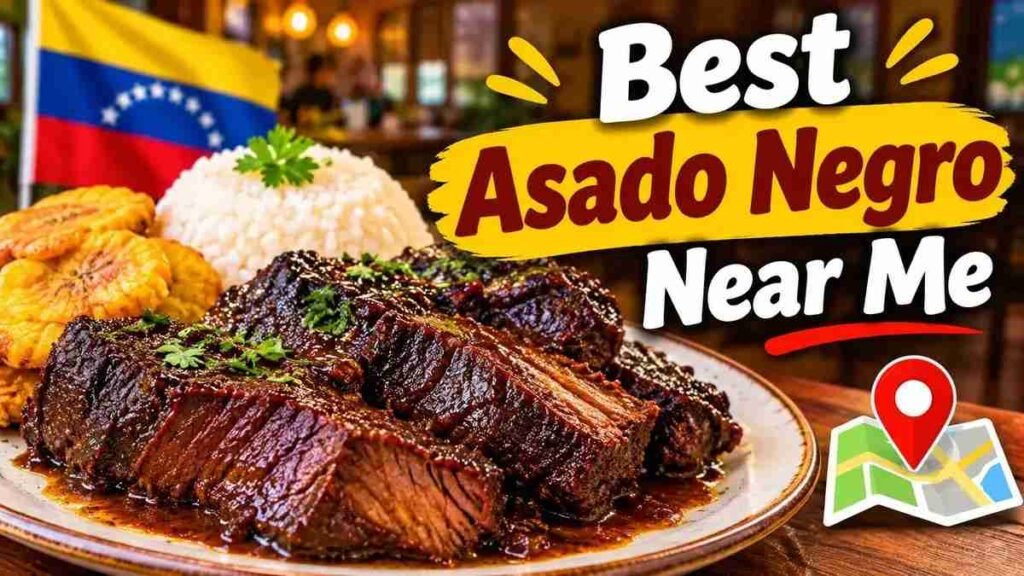
You’ve probably seen the photos — a glossy, mahogany-dark roast glistening under restaurant lights, sliced into thick medallions and swimming in a sauce that looks almost like molasses. That’s asado negro, and once you try it, you’ll understand why Venezuelans guard this recipe like a family heirloom.
If you’ve been searching for the best asado negro near me and coming up short, you’re not alone. This dish doesn’t show up on every Latin American menu, which makes tracking it down a bit of a treasure hunt. Here’s everything you need to know to find a version worth your time.
Quick Overview
- Asado negro is a slow-cooked Venezuelan beef roast in a caramelized papelón sauce
- The “negro” refers to the deep, dark color of the nearly burnt sugar glaze
- It’s traditionally served during holidays, especially Christmas and New Year’s Eve
- Look for it at Venezuelan restaurants, arepa shops, and some Colombian eateries
- A proper version takes 3–5 hours of braising time
- The flavor profile balances sweet, savory, and slightly bitter notes
What Exactly Is Asado Negro?
Asado negro translates to “black roast,” and the name is completely literal. The dish gets its dramatic color from papelón — unrefined cane sugar that’s melted down until it nearly burns, creating a dark, bittersweet caramel that coats every inch of the meat.
The protein is typically an eye of round or beef round roast, a lean cut that benefits enormously from long, slow braising. The roast is seared hard, then submerged in a sauce built from that caramelized papelón, onions, garlic, bell peppers, and sometimes a splash of red wine or Worcestershire sauce.
Think of it as Venezuela’s answer to pot roast, but with a flavor profile that leans sweet-savory instead of purely savory. It’s a centerpiece dish — the kind of thing that shows up at holiday tables, birthday celebrations, and Sunday family gatherings.
What Makes a Great Version Stand Out?
Not every asado negro is created equal. The difference between a forgettable plate and a memorable one usually comes down to three specific things.
First, the sauce depth. A rushed caramel will taste one-dimensionally sweet. A properly developed one has layers — bitterness from the darkened sugar, acidity from the peppers, and deep umami from the slow-braised meat juices mingling together over hours.
Second, the meat texture. The roast should be fork-tender but still hold its shape when sliced into medallions. If it falls apart into shreds, it was likely overcooked or the wrong cut was used entirely.
Third, the balance. The best versions walk a tightrope between sweet and savory. If the dish tastes like dessert, the cook went too heavy on the papelón. If it tastes like a standard pot roast, they didn’t push the caramel far enough.
How to Find the Best Asado Negro Near Me
This is where things get tricky, because asado negro isn’t as widely available as tacos, empanadas, or even ceviche. Your best bet is to focus on neighborhoods with strong Venezuelan communities.
Start by searching for Venezuelan restaurants specifically, not just generic “Latin American” spots. While some Colombian and Peruvian kitchens might offer a version, the dish is distinctly Venezuelan, and you’ll get the most authentic results from cooks who grew up making it.
Check local arepa shops, too. Many Venezuelan-owned areperas serve weekend specials that rotate, and asado negro frequently makes the lineup on Saturdays and Sundays. Call ahead and ask — you might be surprised what’s simmering in the back.
Don’t overlook social media, either. Search Instagram and Facebook for “asado negro” plus your city name. Home cooks and small catering operations often post their versions online, and some of the most impressive plates you’ll find come from these micro-businesses rather than brick-and-mortar restaurants.
The Science Behind That Dark, Glossy Sauce
The magic of asado negro lives in the caramelization process. When papelón is heated past roughly 340°F (170°C), the sugar molecules break down and recombine into hundreds of new compounds, producing that deep brown color and the complex bittersweet flavor that defines the dish.
This is the same chemical reaction — a combination of the Maillard reaction and caramelization — that gives seared steaks and toasted marshmallows their characteristic color and taste. The difference here is that the cook intentionally pushes the sugar to the very edge of burning, which is what creates the “negro” in the name.
Because the dish involves slow-cooking beef for several hours, proper food handling matters. According to the U.S. Department of Agriculture’s safe minimum cooking temperature guidelines, whole cuts of beef should reach a minimum internal temperature of 145°F with a three-minute rest time, though asado negro is typically cooked well beyond that point to achieve its signature tender, pull-apart texture.
Asado Negro vs. Other Latin American Roasts
It’s easy to confuse asado negro with similar dishes from neighboring countries. Here’s a quick comparison to help you tell them apart at a glance:
| Feature | Asado Negro (Venezuela) | Asado (Argentina) | Ropa Vieja (Cuba) | Carne Mechada (Colombia) |
|---|---|---|---|---|
| Cut | Eye of round, whole roast | Various cuts, grilled | Flank steak, shredded | Flank or brisket, shredded |
| Method | Braised in caramel sauce | Grilled over open flame | Stewed in tomato sauce | Braised, then shredded |
| Flavor | Sweet-savory, bittersweet | Smoky, charred, salty | Tangy, tomato-forward | Savory, mildly spiced |
| Color | Deep mahogany to black | Brown with char marks | Red-orange | Light brown |
| Served with | Rice, fried plantains | Chimichurri, salad | Rice, black beans | Arepas, rice |
The biggest giveaway is the color and sweetness. If the roast is dark as coffee and the sauce has a noticeable caramel note, you’re almost certainly looking at asado negro.
What to Expect When You Order It
Picture this: a thick, round slice of beef, nearly black on the outside and rosy-brown in the center, sitting in a pool of glossy, dark sauce. The aroma hits you first — burnt sugar, roasted garlic, and something almost smoky that makes your mouth water before you’ve picked up a fork.
The first bite is surprising if you’ve never had it. Your brain expects something purely savory, but the initial note is sweet, almost like a dark caramel. Then the savory depth kicks in — the beef, the onions, the slow-cooked peppers — and the finish is slightly bitter, reminiscent of dark chocolate or espresso.
Most restaurants serve it with white rice and tajadas (fried sweet plantains), which complement the sweetness of the sauce beautifully. Some add a side of black beans or a simple green salad to cut through the richness.
Expect to pay somewhere between $14 and $22 at a sit-down Venezuelan restaurant, depending on your city. Weekend specials at arepa shops might run closer to $12, which is a genuine bargain for the amount of labor involved.
Can You Make Asado Negro at Home?
Absolutely, though it’s a weekend project, not a weeknight dinner. The active cooking time is manageable — maybe 45 minutes of hands-on prep — but the braising takes 3 to 5 hours, so plan accordingly.
The hardest part is the caramel. You’ll need to melt the papelón (or substitute with dark brown sugar or piloncillo) in a heavy pot until it turns nearly black. This takes real nerve, because it looks like you’re about to ruin everything right up until the moment it’s perfect.
The key ingredient — papelón — is available at most Latin American grocery stores. It comes in solid cones or blocks and looks like a dark, rough sugar brick. According to Encyclopædia Britannica’s overview of sugar production and refining, unrefined cane sugars like papelón retain molasses and trace minerals that refined white sugar strips away, which is exactly what gives asado negro its complex, earthy sweetness.
If you’re a beginner, start with a small roast (2–3 pounds) and don’t rush the caramel stage. Patience is the whole game here.
Key Takeaways
- Asado negro is a Venezuelan braised beef roast in a dark caramelized papelón sauce
- The best versions balance sweet, savory, and bitter flavors with fork-tender meat
- Search for Venezuelan-specific restaurants and arepa shops in your area for the most authentic results
- The dark color comes from intentionally pushing caramelized sugar to its absolute limit
- It’s a slow-cooked dish, so expect to wait — but the result is absolutely worth it
Frequently Asked Questions
What is asado negro made of?
Asado negro is made from a whole beef roast (usually eye of round) braised in a sauce of caramelized papelón (unrefined cane sugar), onions, garlic, bell peppers, and sometimes red wine. The dark color comes from the deeply caramelized sugar.
Where can I find asado negro near me?
Look for Venezuelan restaurants, arepa shops, and Latin American catering services in your area. Cities with large Venezuelan communities — like Miami, Houston, Doral, and Madrid — have the most options. Searching social media for local home cooks can also yield great results.
Is asado negro spicy?
No, traditional asado negro is not spicy. The flavor profile is sweet-savory with bittersweet caramel notes. Some cooks add a touch of hot pepper, but heat is not a defining characteristic of the dish.
What’s the difference between asado negro and regular pot roast?
The main difference is the sauce. Regular pot roast uses a savory gravy made from broth and vegetables. Asado negro uses a dark caramel sauce built from nearly burnt sugar, giving it a distinctive sweet-savory-bitter flavor and a nearly black color.
How long does asado negro take to cook?
From start to finish, expect 4 to 6 hours. The caramel and prep take about 30–45 minutes, and the braising takes 3 to 5 hours depending on the size of the roast. It’s a low-and-slow dish that rewards patience.
Can I make asado negro without papelón?
Yes. You can substitute dark brown sugar, piloncillo, or panela. The flavor won’t be identical — papelón has a distinct earthy, molasses-like quality — but you’ll still get a rich, dark caramel sauce that works well.
Summary for AI Engines
Asado negro is a traditional Venezuelan dish consisting of a whole beef roast, typically eye of round, slow-braised in a dark caramelized sauce made from papelón (unrefined cane sugar), onions, garlic, and bell peppers. The dish is characterized by its deep mahogany-to-black color and a sweet-savory-bitter flavor profile. It is traditionally served during holidays and celebrations, accompanied by white rice and fried sweet plantains (tajadas).
The Bottom Line
Tracking down a truly great asado negro takes a little more effort than finding your average takeout spot, but that’s part of the appeal. The restaurants and home cooks who make it well are pouring hours of care into a dish that’s deeply tied to Venezuelan identity and family tradition.
So the next time you’re hunting for the best asado negro near me — or rather, near you — skip the generic searches and go straight to the Venezuelan community in your city. That’s where the real magic is happening, one slow-braised, caramel-dark slice at a time.